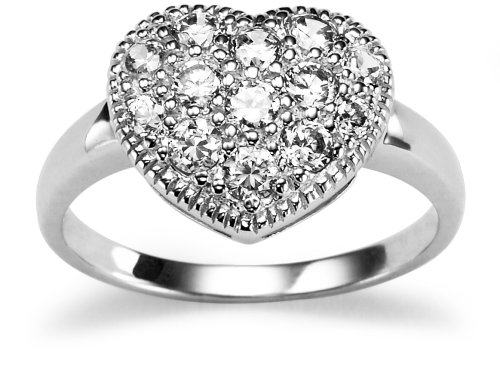
There has been a great deal discussion about lab-created diamonds. Along with that talk, there is much misinformation and perplexity. The jewelry lover, who is interested in realizing the huge savings and aesthetic beauty that simulated diamonds offer, is often bewildered by the manufactured diamond industry jargon and available options. This article will categorically break it down in easy-to-understand terms so that anyone can make an intelligent decision when choosing a simulated diamond.
GEM MATERIALS: 99% of all lab-created diamonds sold worldwide are polycrystalline on a molecular level. The differences are fundamentally in the technical aspects of manufacturing, cutting, and polishing. Think of it this way--all coffeemakers are made of plastic, steel, and glass, the differences are how these materials are designed and implemented. Higher quality coffeemakers make a better tasting cup of coffee. Higher quality manufactured diamonds are in line with mined diamonds.
QUALITY VARIANCES: It seems like grade variations are made out to be a more complex lab-created diamond issue then it really is. Once boiled down, there are three primary grades of simulated diamonds--high, medium, and low. For the jewelry shopper it should be noted that the quality of setting goes hand-in-hand with the quality of the gemstone. Those that sell manufactured diamond jewelry off point-of-purchase displays in the costume jewelry sections of discount stores use low quality or scrap stones that are not gem quality, and have disco ball or murky look. Those that sell manufactured diamond jewelry on the TV shopping channels--which is generally with a sterling silver or a micro-thin layer of gold plated over silver (Vermeil [pronounced ver-may]) settings--use medium quality stones not of gem quality. Those that sell solid 14K gold or solid platinum settings, as a rule, use the highest gem-quality man made gemstones that replicate mined diamonds.
PRICING: Low grade stones are sold in bulk to costume jewelry makers and are often glued on electroplated settings. This jewelry is fine for children, where loss risk is high, and usually retails for less than per item. You will find medium grade stones primarily in sterling silver jewelry that sells for under 0 per item, settings and stones. Medium grade simulated diamonds can be distinguished by the naked eye as not being mined diamonds. High grade gemstone quality lab-created diamonds, undistinguishable by the naked eye from mined diamonds, are found mounted on settings of solid 14K gold and platinum. This is considered to be fine jewelry, with the best quality gemstones selling for under 0 per carat for the gemstones alone. Manufactured diamonds that sell for over 0 a carat are not higher quality than those that sell for between and 0 per carat.
RECOMMENDATIONS: If you are buying for someone that is likely to lose the jewelry, there is no reason to spend any more than you have to, and Wal-Mart will do just fine. On the clearance rack you can even pick up some jewelry for less than per item. If you buy simulated diamonds set in sterling silver, expect decent stones, but they will fool few into thinking they are mined diamonds. Also, your fingers are likely to turn green or black in response to a chemical reaction, not with the silver per se, but with the nickel/copper alloys in sterling silver. With any plated settings, gemstones are low to medium grade, and the plating will eventually chip off, particularly around the edges. When that happens, the nickel/copper alloys will be exposed, the setting will look like it came out of a gum ball machine, and your finger will generally turn green or black. It is just a matter of common sense, if you want simulated diamonds with mined-diamond qualities, they must be set in 14K solid gold. Jewelers who offer lab-created diamonds are not going spend on money on gold and not mount the highest quality stones, which would defeat the purpose of creating fine diamond-like jewelry and alienate customers.